

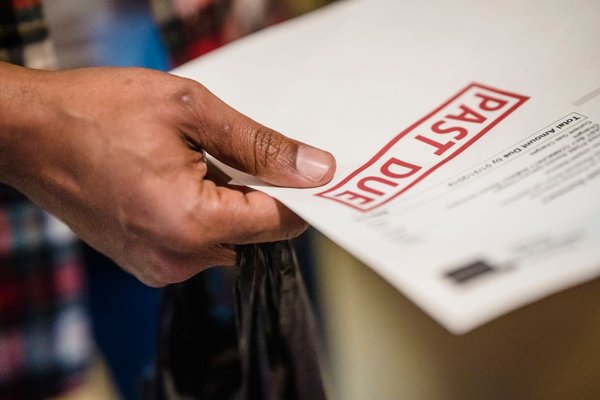
A debt collection lawsuit can turn overdue bills into an urgent legal problem. If you receive a collection summons, the collector has taken a dispute to court. That does not mean the collector has already won. The most useful first step is protecting your chance to respond.
This guide explains debt collection lawsuit rights in the United States. Deadlines, procedures, and defenses vary by state, so the court papers and local rules matter more than any general timetable.
Read the summons before contacting the collector
Look for the court name, case number, plaintiff, amount claimed, and response instructions. The complaint sets out why the plaintiff says you owe money. The plaintiff might be your original lender or a company that bought the account.
Check that the case is genuine by contacting the court independently or using its official case-search service. Save the papers, envelope, and proof of delivery. A threatening phone call alone does not establish that a lawsuit has been filed.
Find the response deadline immediately. Some courts require a written answer; others may also require a hearing appearance. Ask the court clerk about filing procedures if anything is unclear, but remember that clerks cannot give legal advice. Contact legal aid or a consumer attorney promptly.
Why you should not ignore a debt collection lawsuit
Failing to respond as required may lead to a default judgment. That can happen even if you already paid the debt or believe the balance is wrong. Depending on state law and applicable exemptions, a judgment may permit wage garnishment, bank account collection, or a property lien.
Responding does not mean admitting that you owe the money. It gives you an opportunity to contest allegations and require the plaintiff to prove its case. Avoiding delivery of the papers will not reliably stop proceedings.
Collect the records that tell the real story
Gather account statements, contracts, payment receipts, settlement letters, credit reports, earlier collection notices, and messages from the collector. Compare the names of the original creditor and current plaintiff. Check whether interest, fees, and payments are reflected accurately.
Imagine being sued by a debt collector for a credit card you paid off two years earlier. Your bank statement showing the final payment and a zero-balance confirmation could be valuable evidence. Make copies, organize documents by date, and keep the originals safe.
If the account is unfamiliar, a guide on how to dispute a debt collection notice may help you identify questions to ask. But do not confuse a validation request sent to the collector with the answer required by a court. One does not automatically replace or extend the other.
Review possible defenses instead of guessing
The account or amount is wrong
Identity theft, mistaken identity, payments applied incorrectly, and unsupported fees may all affect a claim. Look for records that contradict the complaint. The plaintiff generally must establish that you owe the debt and that the requested amount is justified.
The plaintiff cannot establish ownership
When a debt has been sold, the company suing may need records showing its right to collect. Requirements differ by jurisdiction. Incomplete paperwork may matter, but it does not guarantee the case will be dismissed.
The debt may be too old to sue over
A statute of limitations limits how long certain lawsuits may be filed. The period depends on applicable law, the debt type, and sometimes the account’s payment history. Debt collectors covered by federal collection rules cannot sue or threaten to sue over time-barred debts. Nevertheless, you may need to raise this defense in court to avoid a judgment.
Check a reliable guide to the statute of limitations on debt before paying an old account. In some states, partial payment or written acknowledgment can restart the clock. A lawyer can help identify the correct law and relevant dates.
Prepare and file your answer
A debt lawsuit defense often begins with a written answer responding to the complaint’s numbered allegations. Some courts provide forms or self-help instructions. Follow local rules about filing, fees or fee waivers, and providing a copy to the plaintiff’s lawyer. Do not assume an online sample fits your court.
Keep stamped or electronic confirmation of filing, proof of service, and a calendar of hearings. Attend required appearances even if settlement discussions are underway. If a deadline has passed or a judgment already exists, seek advice immediately about any available procedure to challenge it.
Consider settlement carefully
You may negotiate even after being sued. If the debt is valid and you can afford a resolution, request written terms identifying the amount, due dates, remaining balance, and how the lawsuit will be dismissed or otherwise resolved.
Do not assume a promise on the phone ends the court case. Keep complying with deadlines until the court confirms a change. Ask an attorney to review any agreement involving a consent judgment or waived defenses.
Know which protections still apply
The Fair Debt Collection Practices Act restricts harassment, deception, and other conduct by covered debt collectors. It does not apply identically to every original creditor, though state laws may provide additional protection. A collector’s legal violation does not automatically cancel a legitimate debt.
Even after a judgment, certain wages, benefits, and property may be protected. Information about wage garnishment protections can help you understand exemptions. For state-specific advice, consult legal aid or a consumer lawyer; the Consumer Financial Protection Bureau and Federal Trade Commission offer general guidance.
Frequently asked questions
What happens if I ignore a collection summons?
You risk a default judgment and potentially stronger collection measures. Read the papers and respond by the applicable deadline, even if you dispute the claim.
Can a collector sue me for a debt I do not recognize?
Yes. A lawsuit can be filed over an account you believe is mistaken. Respond, gather evidence, and contest inaccurate allegations through the court process.
Does requesting debt validation stop the lawsuit?
No. A timely dispute may trigger federal collection protections, but it does not automatically pause a pending court case or replace your court response.
Do I need an attorney?
Not necessarily, but legal assistance can be valuable for identity theft, old debts, disputed amounts, or an existing judgment. Look for local legal aid or reduced-fee representation.
Protect your chance to be heard
Keep the court deadline in sight, preserve your records, and make decisions based on what the documents actually show. Whether you dispute the claim or seek a settlement, a timely response puts you in a stronger position to exercise your rights.
