

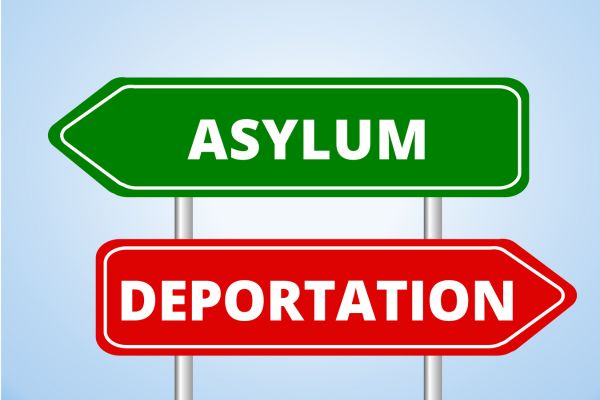
For many people around the world, the idea of safety is not something taken for granted. It’s something pursued—sometimes across borders, oceans, and years of uncertainty. Understanding how to apply for asylum in the US can feel overwhelming at first, especially when the process intersects with personal trauma, legal complexity, and strict timelines. But beneath the paperwork and procedures, there is a system designed to offer protection to those who truly need it.
This guide walks through that process in a clear, human way—without legal jargon overload—so you can understand what it means to seek asylum and how the journey typically unfolds.
What Asylum Means in the United States
Asylum is a form of protection granted to individuals who are unable or unwilling to return to their home country due to a well-founded fear of persecution. That fear must be based on specific grounds: race, religion, nationality, political opinion, or membership in a particular social group.
It’s not simply about wanting a better life or escaping economic hardship. The law focuses on protection from harm—serious harm that a government cannot or will not prevent.
People often confuse asylum with refugee status. The difference is mostly about location. Refugees apply from outside the United States, while asylum seekers request protection from within the country or at a port of entry.
Understanding Who Qualifies for Asylum
Before diving into how to apply for asylum in the US, it’s important to understand eligibility. The process begins with a story—your story—and whether it fits within the legal definition of persecution.
The fear must be credible and supported by facts. It could involve threats, violence, imprisonment, or other forms of serious mistreatment. In some cases, even repeated harassment or discrimination can qualify if it reaches a certain level of severity.
Another key requirement is timing. Generally, you must apply for asylum within one year of arriving in the United States. There are exceptions, but they are narrow and often difficult to prove.
The Two Paths: Affirmative and Defensive Asylum
The process of how to apply for asylum in the US depends largely on your situation when you apply. There are two primary pathways, and each has its own structure.
The affirmative process applies to individuals who are not currently in removal (deportation) proceedings. You submit your application to immigration authorities, attend a biometrics appointment, and eventually participate in an interview with an asylum officer. It’s a non-adversarial setting, meaning there’s no opposing attorney arguing against you.
The defensive process, on the other hand, happens when someone is already facing deportation. In this case, asylum becomes a defense against removal. The application is reviewed in immigration court, where a judge hears the case, often with a government attorney present.
The emotional tone between these two paths can feel very different. One is more administrative; the other resembles a courtroom battle.
Preparing the Asylum Application
At the center of the process is Form I-589, the official application for asylum. But in reality, the form is just the beginning. What matters most is the narrative behind it.
This is where applicants describe their experiences in detail—what happened, why it happened, and why returning home is not safe. It’s not always easy to put such experiences into words. Some people struggle to revisit painful memories, while others worry about saying the wrong thing.
Consistency is critical. Every detail, from dates to locations, should align with any supporting documents or prior statements made during entry or interviews.
Evidence plays an important role as well. This can include medical records, police reports, news articles, photographs, or statements from witnesses. Even country condition reports can help show that the fear of persecution is reasonable.
What Happens After You Apply
Once the application is submitted, the waiting begins. First comes a biometrics appointment, where fingerprints and photographs are taken. This step is mainly for identity verification and background checks.
After that, applicants are scheduled for either an interview or a court hearing, depending on their case type. The timeline can vary significantly. Some people are interviewed within months, while others wait years due to backlogs.
During the asylum interview, an officer asks detailed questions about your application. It’s not just about what happened, but why it happened and how it connects to the protected grounds under the law.
In court, the process is more formal. Testimony is given under oath, and both sides may present arguments and evidence. It can be intimidating, especially for those unfamiliar with legal proceedings.
The Role of Work Authorization
One of the most common concerns for asylum seekers is the ability to work while their case is pending. In general, applicants can apply for a work permit after a certain waiting period, provided there are no delays caused by the applicant.
This waiting period can feel long, especially for those trying to rebuild their lives. But once granted, work authorization allows individuals to support themselves and begin establishing stability.
Challenges and Common Pitfalls
Understanding how to apply for asylum in the US also means being aware of the challenges. The process is not always straightforward, and small mistakes can have serious consequences.
Missing deadlines is one of the biggest issues. The one-year filing rule, in particular, has led to many denied cases. Even when exceptions apply, proving them requires strong documentation.
Inconsistencies in the applicant’s story can also raise doubts. This doesn’t mean every detail must be perfect, but major contradictions can undermine credibility.
Another challenge is the emotional toll. Telling your story repeatedly—sometimes to strangers in formal settings—can be exhausting. It’s a process that requires both patience and resilience.
Life While Waiting for a Decision
The period between applying and receiving a decision is often described as a kind of limbo. You’re physically present in the United States, but your future remains uncertain.
Some people build routines, find communities, and begin to feel a sense of belonging. Others struggle with anxiety, unsure of what lies ahead.
It’s important to stay informed during this time. Attending all scheduled appointments, keeping your address updated with immigration authorities, and responding to any notices promptly can help avoid unnecessary complications.
What Happens After a Decision Is Made
If asylum is granted, it opens the door to a new chapter. Individuals can live and work in the United States, apply for certain benefits, and eventually seek permanent residency.
If the application is denied, the outcome depends on the case type. Some applicants may have the opportunity to appeal, while others may face removal proceedings if they were not already in court.
The decision itself is not just a legal outcome—it often carries deep emotional weight. For many, it represents safety, validation, and the chance to move forward.
Why Preparation and Understanding Matter
Learning how to apply for asylum in the US is not just about following steps. It’s about understanding the purpose behind those steps and preparing as thoroughly as possible.
Each case is unique. No two stories are exactly alike, and the system evaluates them individually. That’s why clarity, honesty, and careful preparation can make such a difference.
For some, the process may feel like navigating unfamiliar terrain without a map. But with the right information and a clear sense of direction, it becomes more manageable—even if it’s never truly easy.
A Closing Reflection on Seeking Protection
Applying for asylum is rarely a simple decision. It often comes after difficult circumstances, forced choices, and moments of uncertainty that reshape a person’s life.
The process itself reflects that complexity. It asks for details, documentation, and patience—sometimes more than seems reasonable. And yet, at its core, it exists to offer protection to those who genuinely need it.
Understanding how to apply for asylum in the US is a step toward that protection. Not a guarantee, not a shortcut, but a path. And like many meaningful paths, it requires courage to begin and resilience to continue.
